How Long After Feeding Can You Feed a Horse Again
When horses exercise they burn up stored free energy supplies, damaging muscle tissue and losing h2o and electrolytes via sweat. Feeding after practise is important to replenish these free energy, water and electrolyte stores and provide protein for muscle repair. Failure to do so tin can result in reduced operation, musculus wastage and slow recovery times. What you feed, how you feed it and when information technology is fed all play a role in determining how finer you supersede what your horse uses during moderate to high intensity exercise and how quickly they will recover.
Replenish energy reserves
When a horse exercises, its muscles use glycogen (glucose that is stored past the muscles), fatty acids and some amino acids every bit fuel. During fast sprint type, high intensity work, muscles operate under anaerobic (no oxygen) conditions and primarily use glycogen as an energy source. Under slower, depression to moderate, intensity piece of work the muscles will primarily burn fatty acids for energy under aerobic (oxygen using) conditions, saving muscle glycogen supplies for when it is needed for high intensity work.
If musculus glycogen supplies are depleted, the horse quickly becomes fatigued. Therefore it is important that after exercise, muscle glycogen supplies are replenished, otherwise the next fourth dimension the horse exercises it volition starting time with less glycogen on lath and will reach a land of fatigue faster.
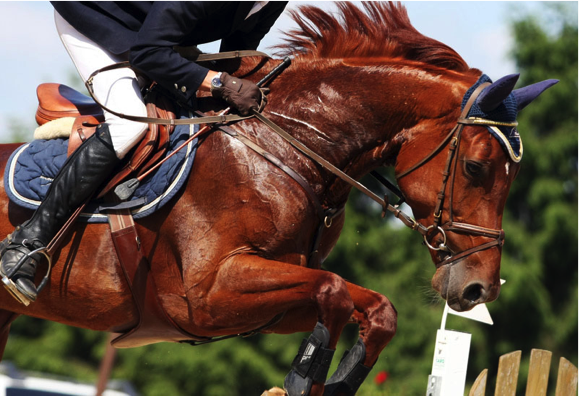 The fastest way to replenish glycogen supplies in equine athletes is to feed a grain‐based meal following exercise. Grains contain starch, which is digested and absorbed equally glucose and this glucose is directly used to replenish glycogen supplies. The grains fed should exist cooked (either extruded, micronised, steam flaked or boiled) to maximise their small intestinal digestibility (and so more of the starch can exist digested and absorbed equally glucose).
A grain‐based repast should be fed within an 60 minutes of completing exercise. Once the equus caballus has returned to a almost normal respiration rate and started to cool downward the meal tin be fed. If the equus caballus has completed its exercise for the day it can be fed its normal morning or evening feed at this time. If you are however taking office in competition (for example you are at a vet bank check signal in an endurance ride) you lot should limit the meal to 200 g of grain per 100 kg of bodyweight (or 0.ii lb per 100 lb of bodyweight) so that you don't induce a large increase in blood insulin levels (as discussed in Newsletter #16).
The horse'due south normal ration of hay and/or pasture should also be fabricated available immediately following exercise. If your horse cannot have grain in its nutrition or does not take grain as function of its normal daily ration you must not use grain to furnish glycogen supplies following exercise. Instead, these horses should just receive their normal non‐grain ration. Information technology may have these horses longer to recover from very heavy exercise and as such they may not be capable of sustaining the workloads required for intense sports like horseracing, endurance and polo.
A notation virtually overweight and lightly worked horses
If your horse is overweight or lightly worked it isn't necessary to replace glycogen supplies post-obit work. The focus for overweight horses should be to burn calories and lose weight. Following exercise, their torso will gradually supervene upon any muscle glycogen that was burnt during practise using other sources of energy like propionate, a volatile fatty acid absorbed from their hindgut that can be turned into glucose. Feeding grain subsequently do will simply serve to irksome weight loss progress and may even crusade weight gain. Overweight horses are besides unlikely to exercise at an intensity that uses up any significant amount of glycogen.
Also it is unnecessary to furnish glycogen supplies by feeding a grain repast following do in horses that are only lightly worked or horses that are only worked a couple of times a week. These horses are unlikely to burn much glycogen and/or they have plenty of time to easily replace what they did use before their next tour of exercise.
Look subsequently the muscles
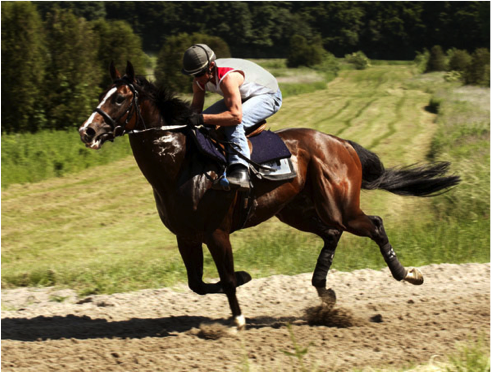
During do a horse's muscles experience multiple footling rips and tears that accept to be repaired. The muscles too demand to grow, strengthen and tone so they can cope with the piece of work required of them. Ensuring crude poly peptide and lysine requirements are met according to FeedXL volition mean your horse's muscles have access to plenty of amino acids to repair and grow, however supplying high quality protein in the form of whey protein concentrate immediately following piece of work (within the first 15 minutes of finishing do) may aid lightly muscled horses build muscle bulk faster.
Whey poly peptide provides rapidly absorbed amino acids that first feed a horse's muscles, second point to them to irksome or stop the muscle breakup procedure that occurs during and following exercise and finally, provides muscles with the edifice blocks they demand to grow and strengthen.
Dose rates of 10 to twenty grams per 100 kg of bodyweight of whey protein concentrate are ordinarily used. There are also equine specific whey protein and other high protein supplements available for this purpose. Timing is critical for these supplements to be constructive; it must be given immediately after exercise (as opposed to giving information technology with the next meal).
Rehydrate
There has been much contend over the years about when to allow a hot horse to drink water following exercise, with the common perception being that allowing a hot horse to drink causes colic. While you lot may wrestle with whether to permit your horse drink immediately post-obit exercise I would urge yous to use your mutual sense and knowledge of your own horse. If your horse wants to drink post-obit exercise and doesn't seem to suffer any ill effects, so I would propose allowing him to beverage, as the positive effects of rehydration will exist far greater than the benefits associated with not assuasive a horse to drinkable until it is completely cooled. Drinking water will as well assist to lower a horse's core body temperature following exercise.
Yous should observe a few guidelines:
- Offering cool h2o that is at a temperature that is comfy for you lot to hold your hand in (i.east. not besides cold).
- If yous horse is a real guzzler, get him to have a few modest breaks when drinking.
If you lot have observed your equus caballus get colicky after a big drink and then information technology would be wise to allow admission to water gradually after practise. But if your horse drinks with no sick effects at that place is no reason to withhold water following exercise.
Research has also shown that giving slightly salty water (which you tin can brand past adding up to nine grams of sodium chloride, which is common table salt, per litre to your horse's h2o) as the first water your horse has admission to, followed by giving access to plain water aids in achieving high fluid intakes and faster rates of rehydration.
Replace electrolytes
When horses sweat they lose large amounts of the electrolyte minerals sodium, chloride and potassium. They also lose smaller amounts of magnesium and calcium. These minerals lost in sweat must be replaced to permit total rehydration and normal sweating and muscle function in subsequent bouts of exercise.
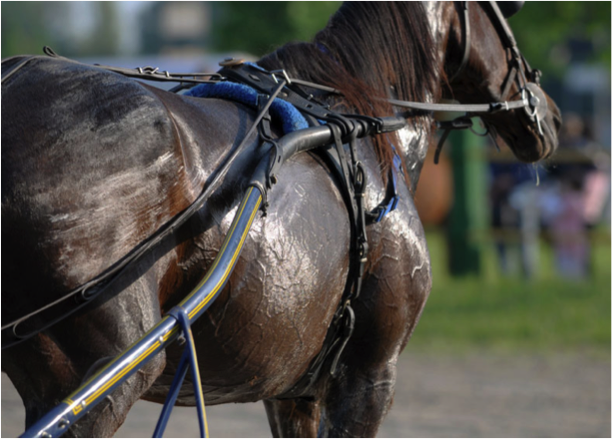
Ensuring that your horse'due south requirements for sodium, potassium and chloride are met according to FeedXL and making sure your horse has gratis access to a table salt lick is adequate to ensure electrolyte repletion on a daily basis. Nether intense workloads (for case endurance) or when horses are working in very hot and boiling weather you may need to consider using a specially designed electrolyte replacer for horses.
When selecting an electrolyte replacer for your equus caballus, read the label of the available electrolyte supplements advisedly. Be wary of products that incorporate less than 800 grams per kg of bodily electrolytes (sodium, potassium, chloride, calcium and magnesium). Some products on the market are more l% 'filler' (unremarkably dextrose or glucose) which is of little benefit to the horse equally part of an electrolyte replacement plan. Some glucose is necessary for the effective absorption of sodium, but glucose should represent no more than 10% of an electrolyte supplement.
The apply of electrolyte replacers is a large and relatively complex topic that deserves a defended FeedXL newsletter.
Summary
Failure to replace what a fit horse in moderate to high intensity work uses during a bout of exercise volition mean that the horse gradually becomes less and less able to complete the piece of work required of it. Using a digestible cooked grain based feed in the starting time hour following the completion of practice will restore musculus glycogen supplies. Feeding a high quality poly peptide supplement like a whey protein concentrate within 15 minutes of the completion of exercise volition feed the muscles and permit them to repair and strengthen. Providing access to water, and initially slightly salty water post-obit practise will allow your horse to rehydrate itself. And finally, ensuring dietary requirements for the electrolyte minerals sodium, chloride and potassium are met according to FeedXL will allow your horse to replenish electrolyte minerals lost during exercise as it eats its normal daily ration.
Meet The Author: Dr Nerida Richards
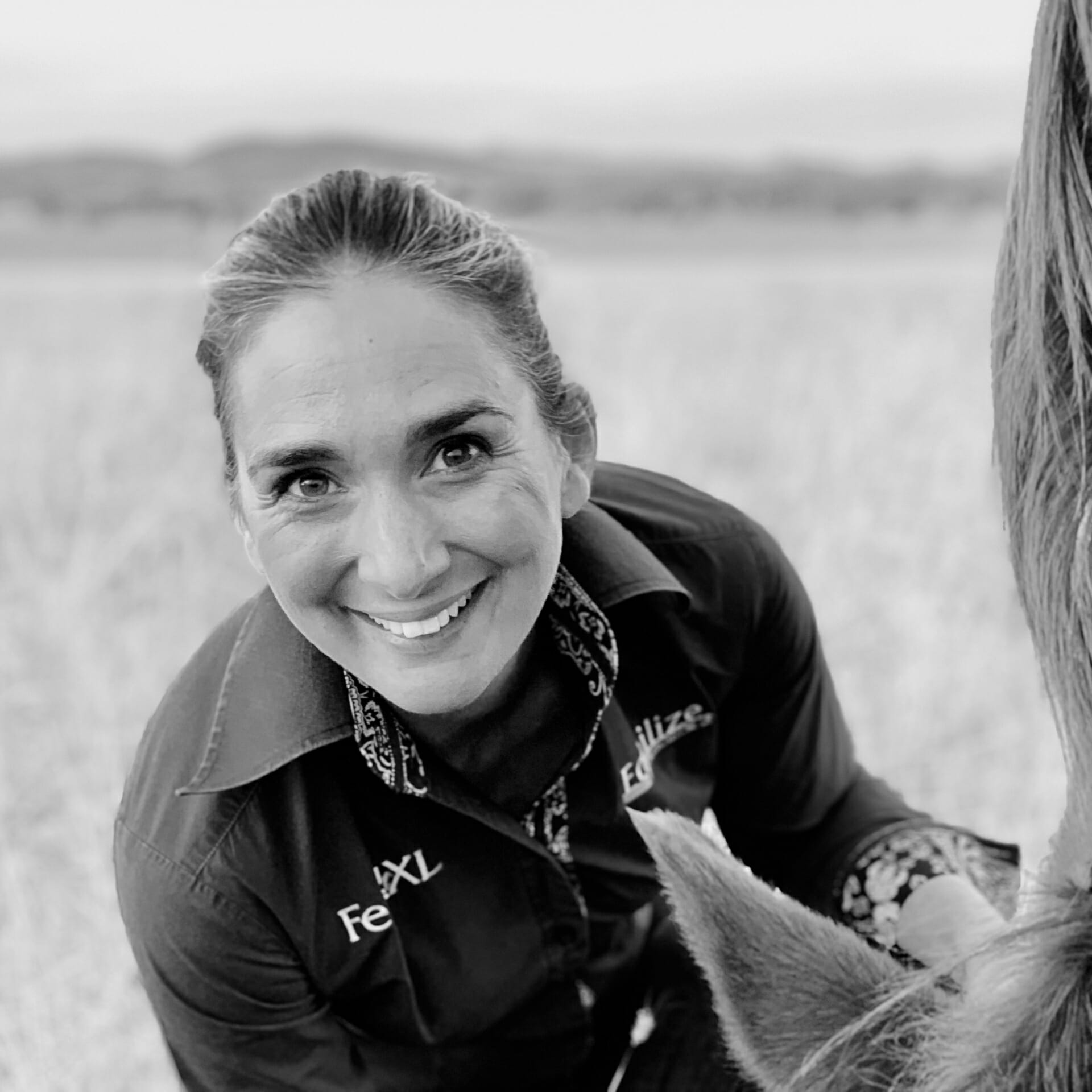
Dr Nerida Richards is FeedXL'south resident equine diet specialist. With a caste in Rural Scientific discipline, a doctorate degree in equine nutrition and near 20 years of full time, on the basis experience in feeding all types of horses Nerida is able to help FeedXL members solve any trouble they may come confronting with feeding their horses. To learn more nigh Nerida and to 'meet' the rest of the FeedXL squad, check out our Virtually Us page here.
Do you accept a question or comment? Do you lot need help with feeding?
We would dearest to welcome you to our FeedXL Horse Nutrition Facebook Grouping. Inquire questions and have them answered by PhD and Masters qualified equine nutritionists and spend time with agreeing horse owners. Information technology'southward complimentary!
Click here to join the FeedXL Horse Nutrition Facebook Grouping
Source: https://feedxl.com/17-feeding-after-exercise/
0 Response to "How Long After Feeding Can You Feed a Horse Again"
Post a Comment